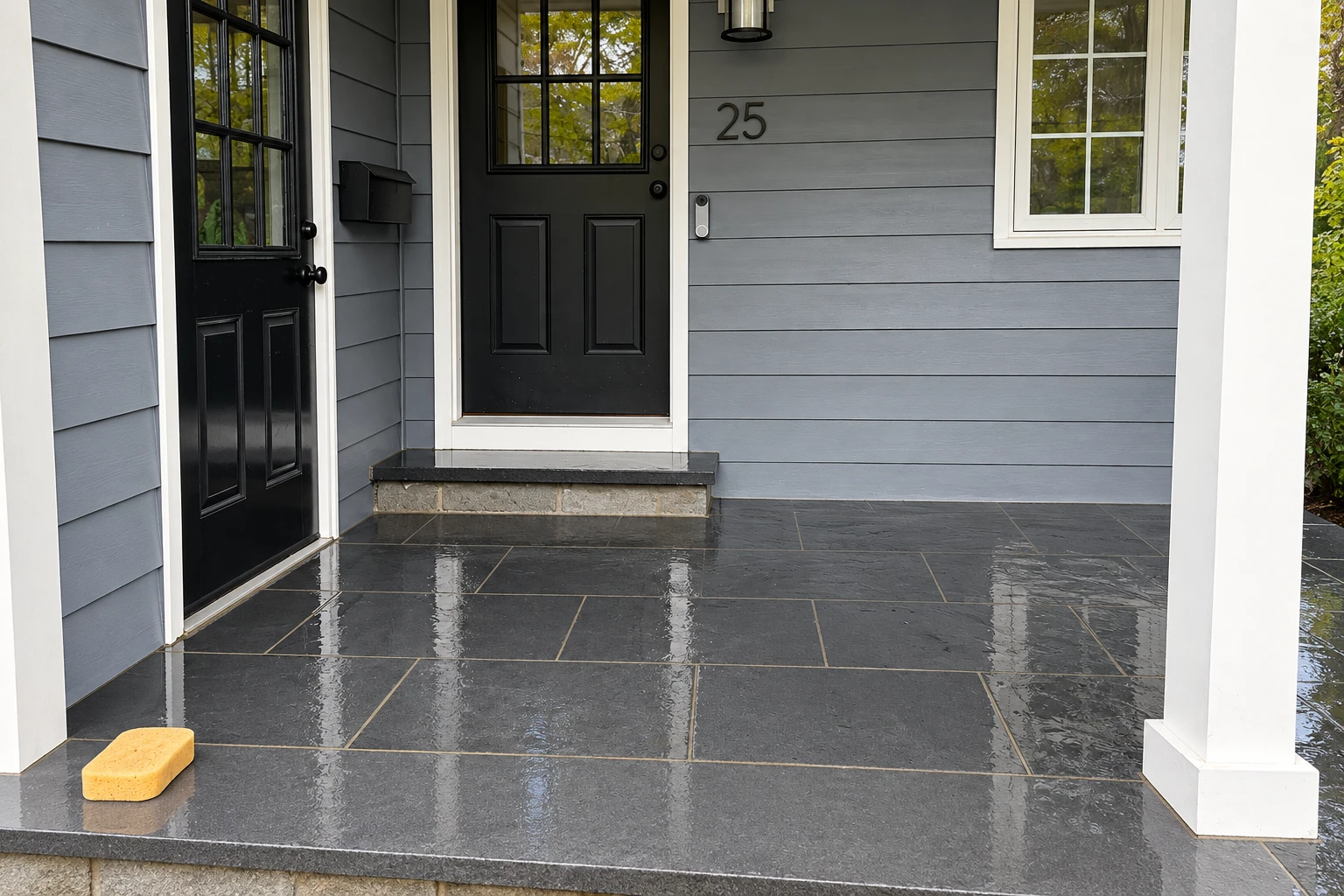
Epoxy Floor Coatings
A good fit when your garage or workroom slab is sound. It gives you a sealed floor that wipes clean of oil drips and road grit.
Castro Valley Epoxy Floors and Concrete is a flooring contractor based in Castro Valley, CA. We grind, coat, polish and seal concrete floors in Cherryland garages, basements, shops and pool decks.
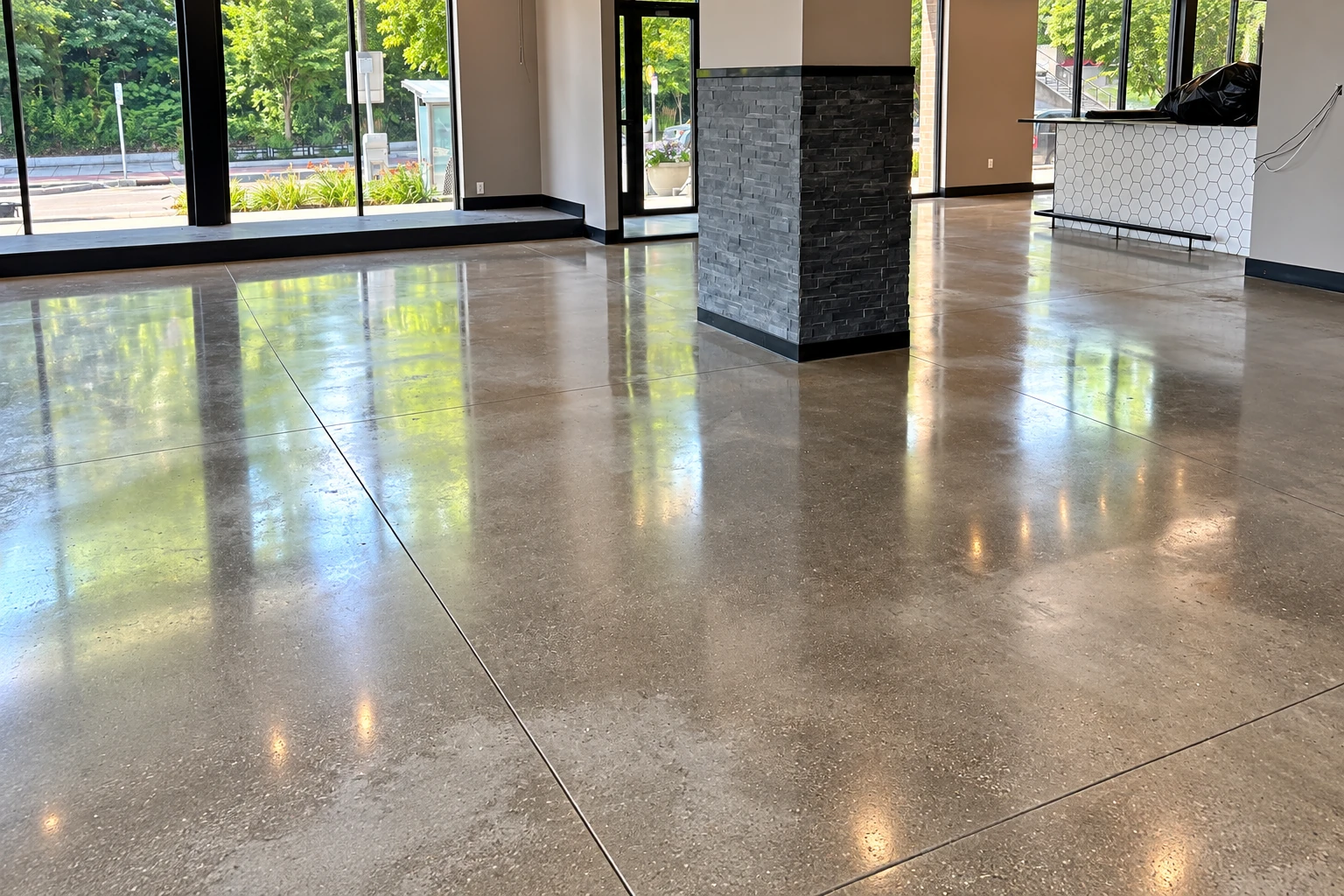
Castro Valley Epoxy Floors and Concrete coats, polishes, seals and repairs concrete floors in Cherryland. Most of our work here is in garages and basements, and in shops and small businesses that need a floor to stand up to daily work. Cherryland is a short drive from our base in Castro Valley, so seeing your slab in person is easy to arrange.
The homes here vary in age and size, and the garage floors show it. On many of them we find years of oil stains, paint or sealer someone rolled on long ago, and hairline cracks that have spread across the slab. Most of that can be handled, but each problem has to be dealt with during prep, before any coating goes down.
The floors we see in San Lorenzo and Ashland are much the same, and we approach them the same way. Business owners also call us about shop and warehouse floors that take carts, forklifts and spills, and those floors get a heavier system than a home garage would need.
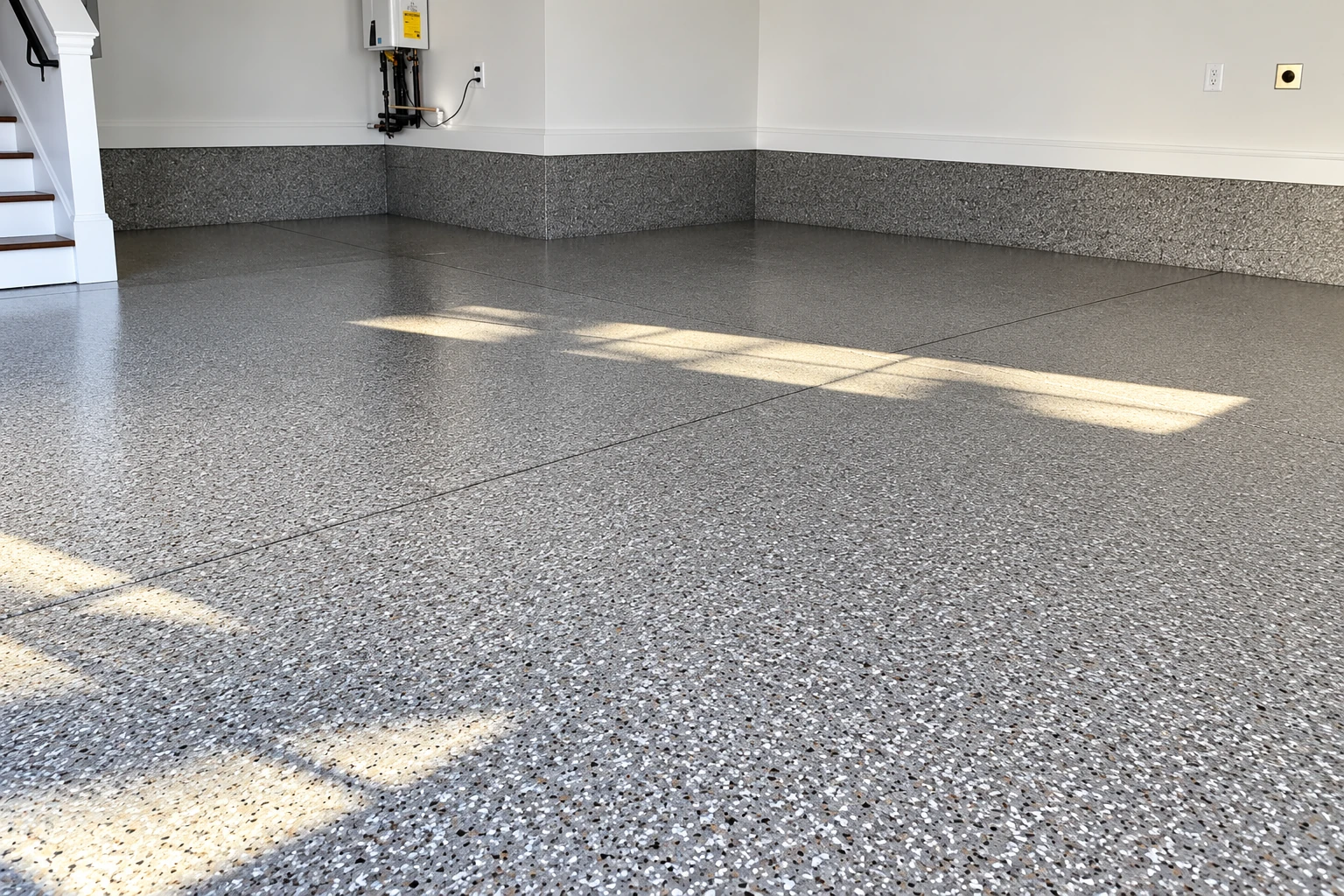
A good fit when your garage or workroom slab is sound. It gives you a sealed floor that wipes clean of oil drips and road grit.
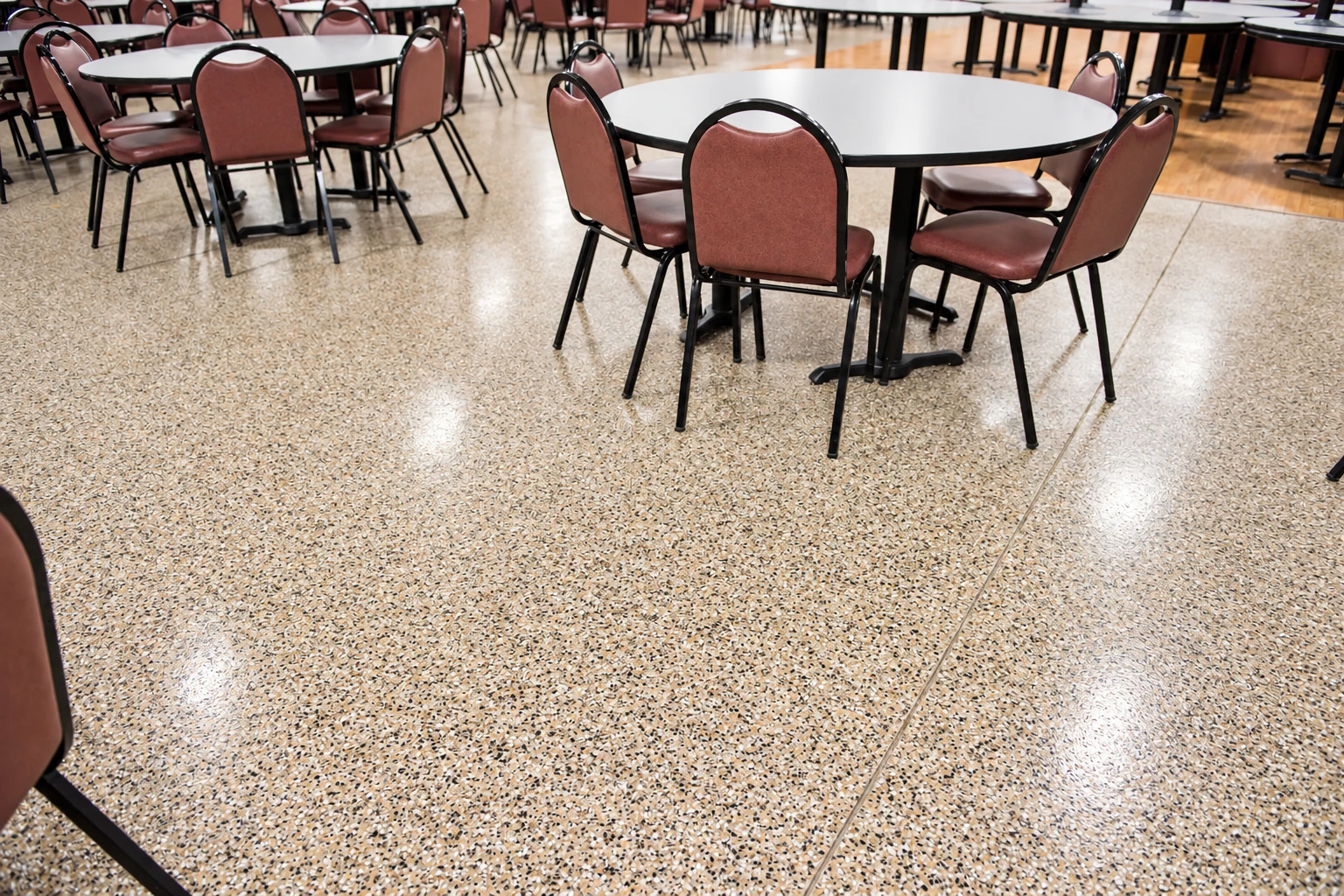
For shops, warehouses and service bays that take carts, forklifts and spills every day. We build a thicker system and plan the work around your business hours.
When your garage doubles as workshop and storage, we strip whatever is failing, fix the cracks and coat the floor so it cleans up with a broom and hose.
Worth asking about if you can't spare the garage for long. It cures faster than epoxy and holds its color in a garage where the door stays open.
For a basement room, showroom or home gym where looks matter as much as wear. We lay the swirled metallic finish by hand, so no two floors match.
Helps in kitchens, food prep and wash-down areas where hot water, heat and harsh cleaners would break down an ordinary coating. It also tolerates more slab moisture.
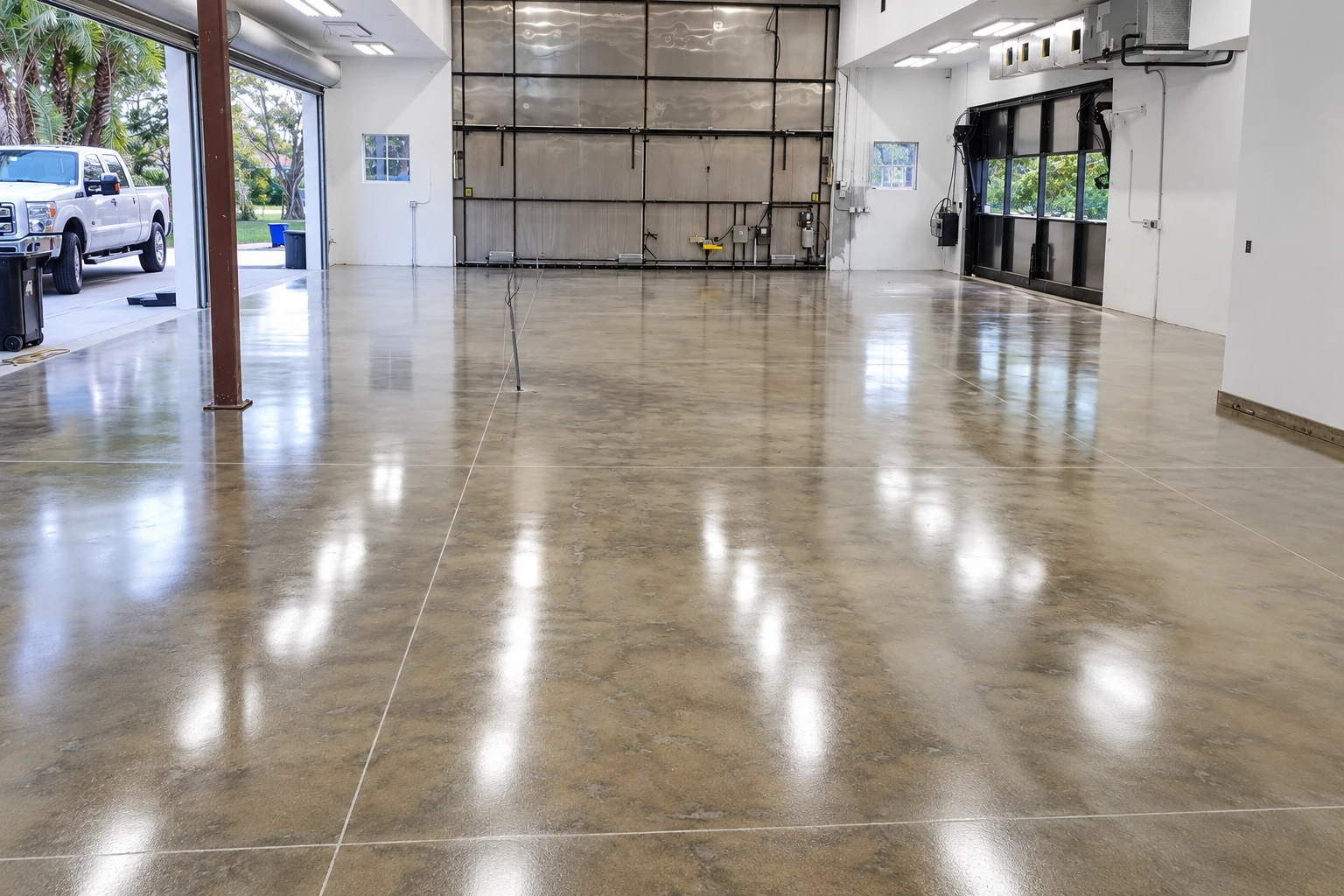
If you'd rather have no coating at all, we grind and polish the slab itself into a hard, glossy floor that suits open living areas and shop floors.
A way to add color to a plain slab in a patio room, basement or studio. The stain soaks into the concrete instead of sitting on top.
For a lobby, entry or showpiece room where you want chips of stone or glass set into a ground, polished surface that wears well under heavy foot traffic.
Below-grade floors can bring up moisture, so we test your basement slab before choosing a system. We won't coat over a moisture problem and hope it holds.
This is the step that decides whether any floor holds. We grind away old sealer, paint and the smooth top layer so the new coating bonds to clean concrete.
For garages, patios and walkways that don't need a full coating. A sealer slows stains and keeps water from soaking into the concrete.
When a slab is pitted, flaking or patched in a dozen places, an overlay gives you a fresh, even surface without tearing out the old concrete.
For a room that dips or slopes, or has a step where old concrete meets new. A self-leveling layer flattens it before tile, wood or a coating goes down.
Pool decks take sun, chlorine and bare feet. We repair the cracks and lay a textured finish that gives better footing when the deck is wet.
If an old coating is peeling, or a previous owner glued down tile or carpet, we take it all up and leave clean concrete for the next floor.
We reply to every call and form within one business day, and there's no pressure and no obligation. I come out to Cherryland myself to look at your slab in person. The estimate is free, and it puts the price and the prep work in writing.
(510) 931-7868Cherryland is unincorporated, so Alameda County is the local government here, and building permits go through the county's permit portal rather than a city hall. If your job needs a permit, the work waits on the county's review and any inspections, so we plan the start date around them. Before you hire anyone, please check for two licenses, one from the state contractors board and one from the county.
If I think your project needs a permit, I'll tell you at the estimate. We'll file it with the county for you, or walk you through it if you'd rather file it yourself. We do the same with the city or county office that covers your address in Hayward, Fairview and the other cities around Cherryland.
The price depends mostly on the slab. Size matters, but so do the cracks we need to repair, any old coating we have to strip, moisture in the concrete and the system you choose, from a clear sealer to a full flake or metallic floor. The schedule turns on the prep, the coating's cure time and any permit. Your written estimate gives you the price and the prep before we start.
I've been doing this work since 2017, and I learned it on real floors, starting with my own garage. I do every estimate myself, and I stay on the job with our crew from the first pass of the grinder to the final walk-through. The person who promised you the prep is the one making sure it gets done.
Prep is the part you won't see once the floor is finished, and it's the part that decides whether the coating holds. If your slab needs more work than you hoped, I'll tell you plainly rather than coat it and hope for the best. We're licensed and insured, and we offer satisfaction guaranteed on every job.
We treat your home or business as someone else's property, because it is. We keep the dust down while we grind, protect what's near the work and clean up before we leave. When you're ready, please call (510) 931-7868 or send us the request form and tell us about your floor.
A few things about Cherryland come up when I'm judging a slab here. Some are area-wide notes from the county and the state. The rest is simply what we find on floors in this area.
The county's planning notes place the Hayward Fault along the eastern edge of the Eden Area, the planning area that includes Cherryland. That note covers the whole area and says nothing about your lot in particular. On a floor, it means I look closely at every crack and judge whether it's still moving. We treat moving cracks and the slab's saw-cut joints so a rigid coating doesn't split along them.
The state's Seismic Hazard Zone Map shows where liquefaction may happen in a strong earthquake, when wet soil briefly loses its strength. Developers of property inside those zones may have to investigate the hazard during local permitting. That applies to development, so it tells you nothing certain about your house. For a coating, I judge the slab as it stands and look for settled sections and lifted edges.
Many garages we see work as a workshop, storage room or gym as well as a place to park. That changes the system I'd recommend, because dropped tools, rolling chests and spilled chemicals are harder on a floor than a parked car. Hot tires can also lift a weak coating. For a busy garage, we lean toward a thicker build instead of a thin roll-on paint.
Plenty of slabs here already have something on them, such as paint, a sealer or a store-bought kit that has started to peel. A new coating only holds as well as what's under it, so we grind or strip all of it back to clean concrete. Before we coat a basement or an older slab, we test for moisture coming up through the concrete.
The cost depends mostly on your slab, so I give you a written price after I see it at a free estimate. Grinding and simple crack repair are part of most jobs. Stripping an old coating, fixing heavy damage or treating moisture adds to the price. A clear sealer costs less than a flake epoxy system, and polyaspartic or metallic finishes usually cost more.
It depends on the scope of the job, and I'll tell you at the estimate whether I think yours needs a permit. If you'd like to look into it yourself first, the county's permit resources page lists a handout on work exempt from permit. It's a fair starting point for a small job.
Yes. The county requires a business license for any business activity in its unincorporated areas, including Cherryland, even when the business is based elsewhere or already holds a license from a city. The license is an annual tax paid each calendar year, and the county tax collector enforces it. It's fair to ask any contractor you're considering whether theirs is current.
Under the state board's rules, a job needs a licensed contractor if it requires a building permit, uses any additional workers or costs $1,000 or more in labor and materials combined. Contractors must be licensed before they can even submit a bid. A quote from an unlicensed company on a job that size is a warning sign.
Please clear everything off the floor, move the cars out and take down anything stored low on the walls that could catch dust. We handle the grinding, crack repair and cleaning, and we protect anything that has to stay nearby. If you have shelving bolted to the slab, please tell me at the estimate so we can plan around it.
That depends on the coating and on the maker's cure instructions, which set how long you wait before walking on the floor and before parking on it. Polyaspartic usually cures faster than epoxy, which is one reason people choose it. I'll give you the walk-on and drive-on times for your system before we start, so you can plan for the garage being out of use.
Call (510) 931-7868 any day of the week or use the request form. If you mention any old coating, peeling or damp spots, I can bring the right tools to test them at the estimate.